18 Wheeler Legal Requirements
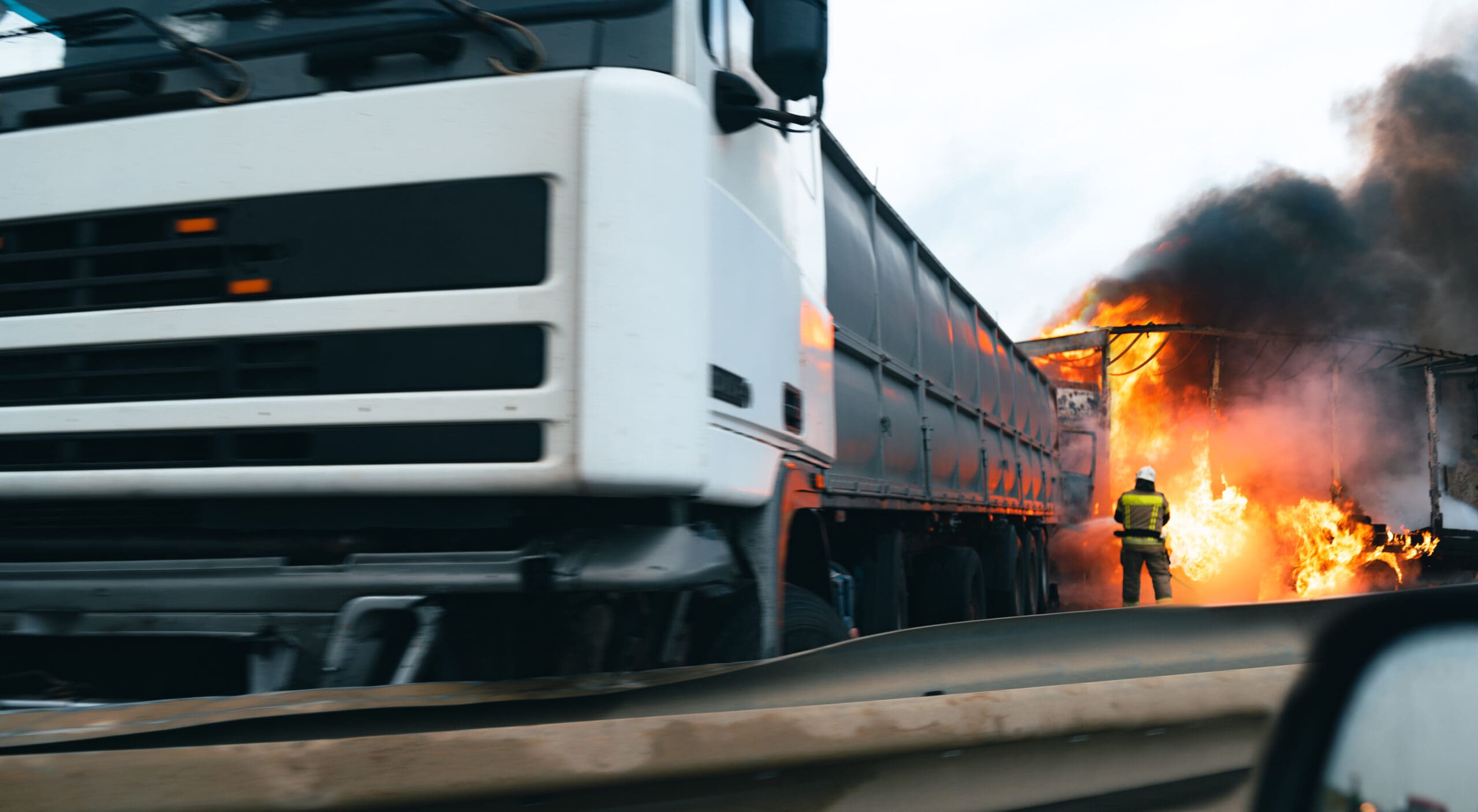
Every year trucks, 18-wheelers and tractor trailers are involved in many accidents. They transport dangerous loads, and their insurance requirements are more stringent than those of private vehicles.
The majority of truck accidents are caused by driver fatigue. The law limits the amount of time that truck drivers are allowed to drive and requires they keep accurate records.
Weight limit
As Americans continue to move away from traditional retail in-person and towards online commerce the road is becoming more crowded with trucks of Amazon, FedEx and other shipping companies. Many drivers struggle to keep up with these massive vehicles with their speed and maneuverability. This is a problem that affects everyone but it's especially challenging for smaller trucks to maneuver around these massive vehicles.
Fortunately, there are laws that regulate the weight limit for 18 wheelers. This applies to the truck and the cargo it carries. It's essential to be aware of the legal limit so you can avoid driving over them and put yourself in danger.
The maximum gross vehicle weight for trucks is 80,000 pounds. However, there are different weight limits for axle groups and single axles. For 18 wheeler accident attorney costa mesa , the Federal Bridge Formula sets a single-axle limit of 20,000 pounds, while axles spaced more than 40 inches, but not more than 96 inches apart (tandem axles) are limited to 34,000 pounds. In addition to these guidelines states also have their own specific weight restrictions for single axles and axle groups.
State-by state, the penalties for exceeding a weight limit can range from fines as high as $16,000. In some cases, the driver's employer may be accountable for these fines too. In addition, repeat offenders could be penalized more than first-time offenders.
Lane restrictions
Most states have laws which regulate where trucks can drive on highways. Some states, for example, prohibit large trucks from operating in the left lane on multilane highways. This law is intended to prevent cars from following trucks close and causing an accident.
In such situations the truck driver has no choice but to switch lanes or risk a collision. To ensure that trucks are able to pass slower vehicles quickly, they need to be in the right line of sight. Truck drivers should also be able to observe other motor vehicles in the left side of the lane, looking for hazards or traffic devices that require them to make the turn.
In the absence of these laws, they place themselves and other motorists at risk of serious accidents. If a motorist is injured due to the truck that has violated the laws governing lane restrictions, they could be entitled compensation.
Trucks require a lot of space to maneuver. They have the largest blind spots on the road. Some drivers block trucks when they change lanes. This can lead to them jackknife. Other times drivers slow down to a level where trucks are unable to pass through them, which puts both parties at risk of an accident.
Bumper guards
Before installing bumper guards, check the laws of your state. Some states prohibit them while some allow them on vehicles that are parked. These devices are recommended for security when parking your vehicle in crowded areas or in cities that have plenty of parallel parking. They prevent scrapes and dents that can result from taller drivers backing into your truck or SUV.
They can also be useful in stopping collisions with tree branches. They look like cowcatchers on freight trains, and they're commonplace on off-road vehicles. They push aside brush and other debris, and they may even help by securing the headlights.
There are many different ways to install a bumper guard, including stick-on rubber strips and mat-style protectors. The most convenient is the stick-on design which can be removed in just minutes without leaving any sticky residue. However, it isn't very secure and does not completely cover the entire length of your truck.
Certain companies offer mat-style protective covers that can be rolled or folded for easy transport and storage. The Luv-Tap, a popular model made of soft cotton that can be adjusted for different sizes of vehicles is a popular item. It also features shiny silver reflectors, which improve visibility in low-light conditions. It comes with two straps that attach it to the trunk of your vehicle. They can be flipped out when necessary.
Insurance
Accidents with trucks can cause grave injuries and even death. This is the reason federal and state regulations require trucking companies to have higher insurance premiums than standard passenger cars. They could be worth 40 times more than the standard insurance policy. However, trucking insurers will do everything they can to avoid paying accident victims. They will often trick injured victims into signing an official statement or employ other techniques to minimize their liability. It is essential to work with a Denver truck crash attorney when submitting an 18 wheeler accident claim.
The requirements for insurance for trucks are complicated and vary based on the jurisdiction. The most frequently used type of insurance is primary liability. It covers property damage caused by the truck in the event of an accident. It is recommended to have cargo insurance as well as non-trucking liability. The former covers the truck when it is carrying a load, and is usually included in the contract of a truck driver with their carrier. It is sometimes referred to as "bobtail" insurance, and it protects the truck and driver between the loads.
If you are injured in a tractor-trailer crash the minimum insurance limits required for trailers and tractors are considerably lower than those for passenger automobiles. This means that you'll be fighting with the insurance company for the trucking business for an equitable settlement. A seasoned Memphis truck accident lawyer can pinpoint any potentially responsible parties including the truck driver and the trucking firm, and any dram shops that may have over-served the driver.